By mass
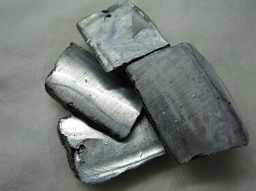
How much heat must be supplied to completely melt 45 kg of potassium initially at 22.4 °C and bring it to a temperature of 98 °C? The specific heat of fusion is 25.5 kJ/kg, the melting point is 63.32 °C, and the specific heat capacity of potassium is 757.8 J/(kg·K).
Your answer:
Your answer:
You need to know the following knowledge to solve this word math problem:
Units of physical quantitiesthemes, topicsGrade of the word problem
Related math problems and questions:
- Specific heat
 How much heat must be added to convert 25 kg of ice at −15 °C into water at 23 °C? The specific heat of fusion of ice is 333 kJ/kg.
 - Water + temperature
 We supplied 1,365 kJ of heat to 5 kg of water initially at 20 °C. To what temperature did it heat up?
 - Lead melt
 Find the heat needed to melt an object made of lead weighing 250 g and an initial temperature of 35 °C. Lead melts at 327 °C at normal pressure. Mass heat capacity of lead c = 129 J/kg • K and mass latent heat of lead lt (t is the subscript) = 22.6 kJ/kg.
 - Capacity of iron
 What was the initial temperature of an iron object weighing 30 kg that absorbed 3.5 kJ of heat when heated to 39 °C? The specific heat capacity of iron is 450 J/(kg·°C).
 - Aluminum ignote
 At what temperature did the temperature stabilise if an aluminium ingot weighing 45 kg, initially at 15 °C, received 4.8 MJ of heat? The specific heat capacity of aluminium is 896 J/(kg·°C).
 - Receiving heat
 How many degrees Celsius was an iron cylinder weighing 300 g heated in a water bath if it received heat of 7.2 kJ? (specific heat capacity of iron c = 0.46 kJ/kg/°C)
 - Transformer oil temperature
 The transformer is oil-cooled and transforms a power of 20 MW with an efficiency of 92%. Determine the temperature of the oil at the outlet of the transformer if the oil was 20 °C when it entered the transformer. 2.5 liters of oil will flow through the tr